Kelvingrove Bandstand Hidden Woods
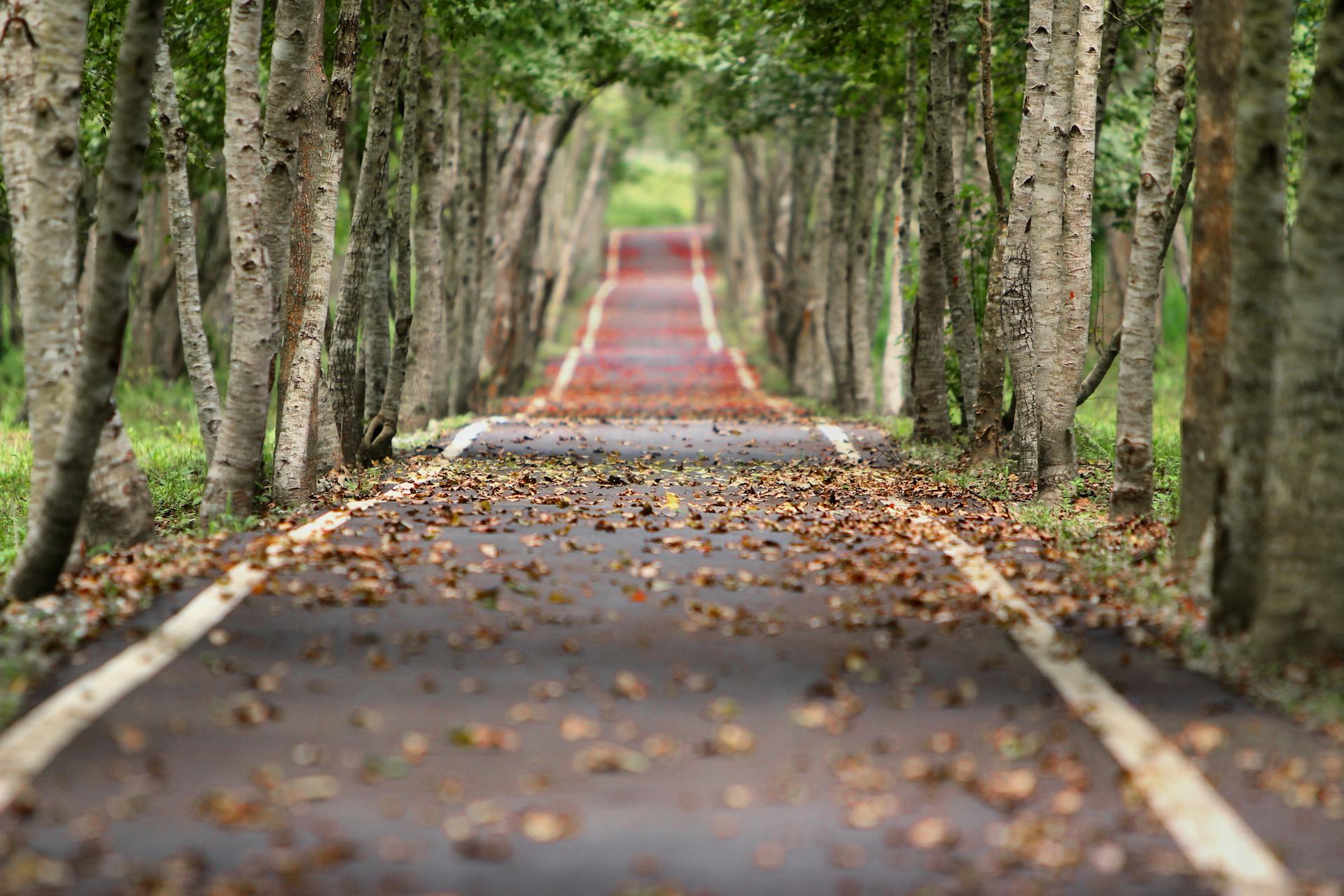
Wooded grove behind the Victorian bandstand creating an unexpected forest pocket in the heart of the West End.
While Kelvingrove Bandstand hosts summer concerts and draws crowds to its ornate Victorian structure, few visitors explore the wooded area directly behind it. This small grove creates a remarkably secluded space despite being meters from busy paths. Mature trees—oak, beech, and sycamore—create a canopy that filters light and muffles city noise. Narrow paths wind between trunks, and fallen leaves carpet the ground in autumn. The area feels accidentally wild, like a fragment of older landscape preserved while the rest became park. Bird watchers know this spot for woodpeckers, nuthatches, and occasional owls roosting in hollow trees. The woods provide crucial habitat in the urban environment while offering humans a different park experience—one based on discovery rather than display. A small clearing with a bench allows quiet sitting among trees, with only bird calls and wind for company. It's a reminder that even carefully designed Victorian parks included wild spaces for contemplation. Visit early morning for the best atmosphere, when mist clings to branches and the city hasn't fully woken.
Historical Timeline
Kelvingrove Park designed by Sir Joseph Paxton, woods preserved
Bandstand constructed, woods become quiet counterpoint
Bandstand restored to original Victorian splendor
Woodland management plan protects habitat and access